Older memory
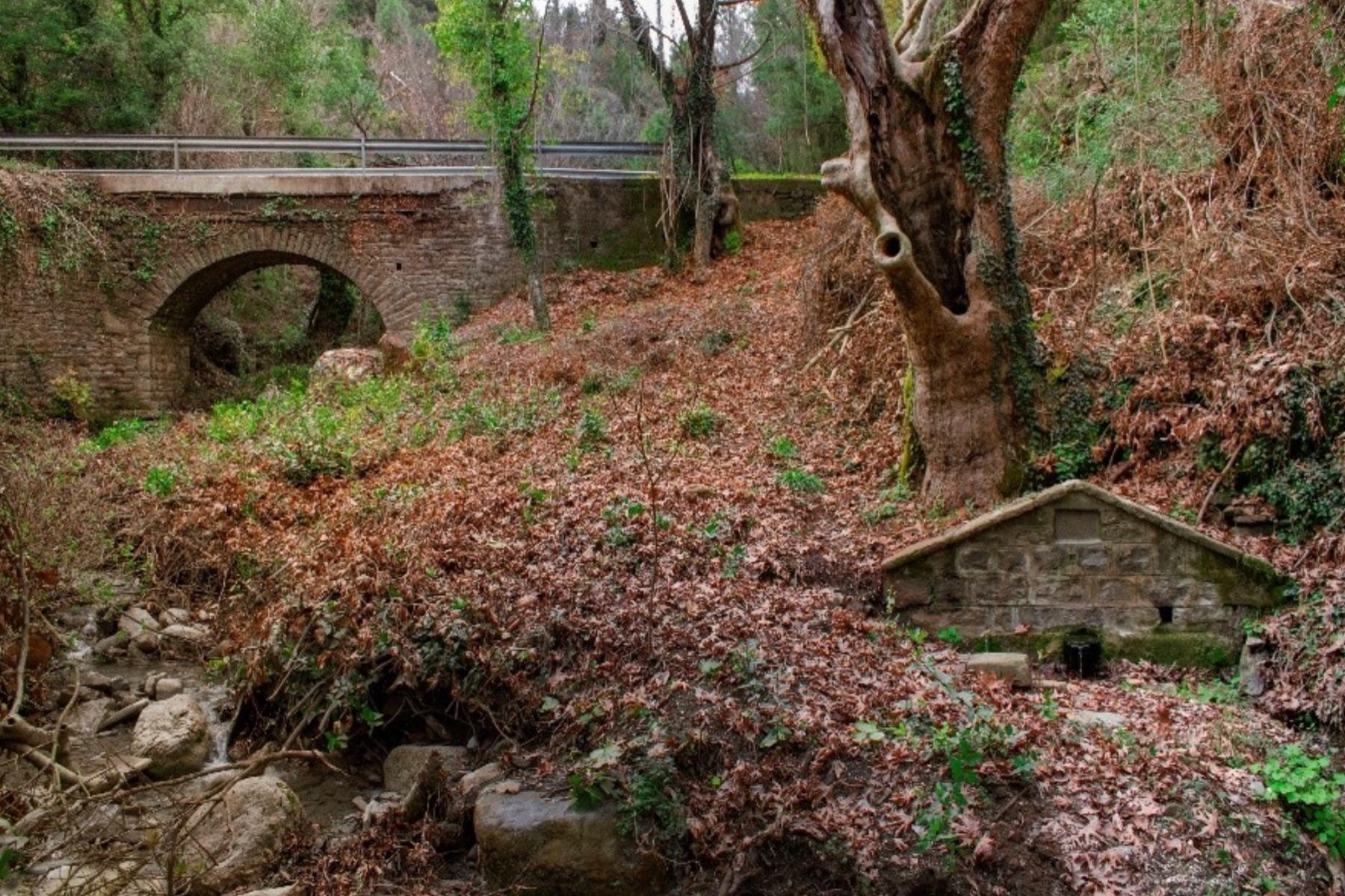
A mountain place before the retreat.
Palaiokatouno sits within a wider Tzoumerka landscape of older settlement memory, mountain routes and rural references that predate the retreat.
Palaiokatouno legacy
The Heritage Living Lab begins with Palaiokatouno itself: old mountain routes, family land, wartime loss, post-war rebuilding, rural work and the decision to keep the site active through Olivestone.
Legacy layer
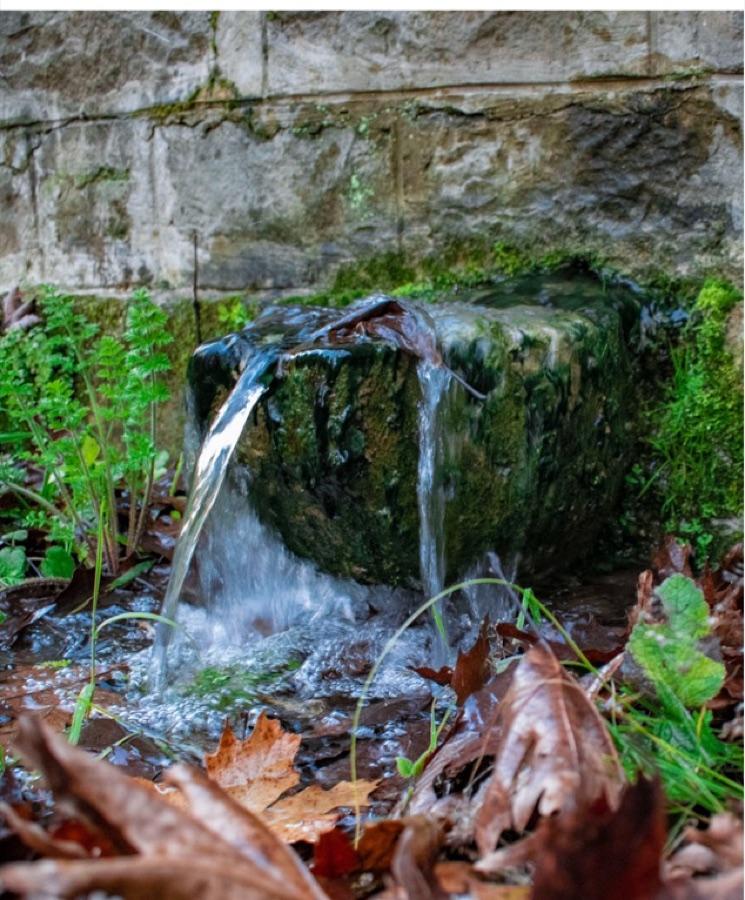
A story carried by route, stone and water.
Palaiokatouno gives the Heritage Living Lab its human scale: loss, rebuilding, maintenance and care in one mountain place.
Living inheritance
Palaiokatouno is carried through old paths, family land, wartime loss, rural rebuilding and the decision to keep the place active through Olivestone.
Historic route memory
Legacy chapters
The chapters move from older landscape memory to family land, wartime loss, rebuilding and today's stewardship.
Older memory
Palaiokatouno sits within a wider Tzoumerka landscape of older settlement memory, mountain routes and rural references that predate the retreat.
1890-1912
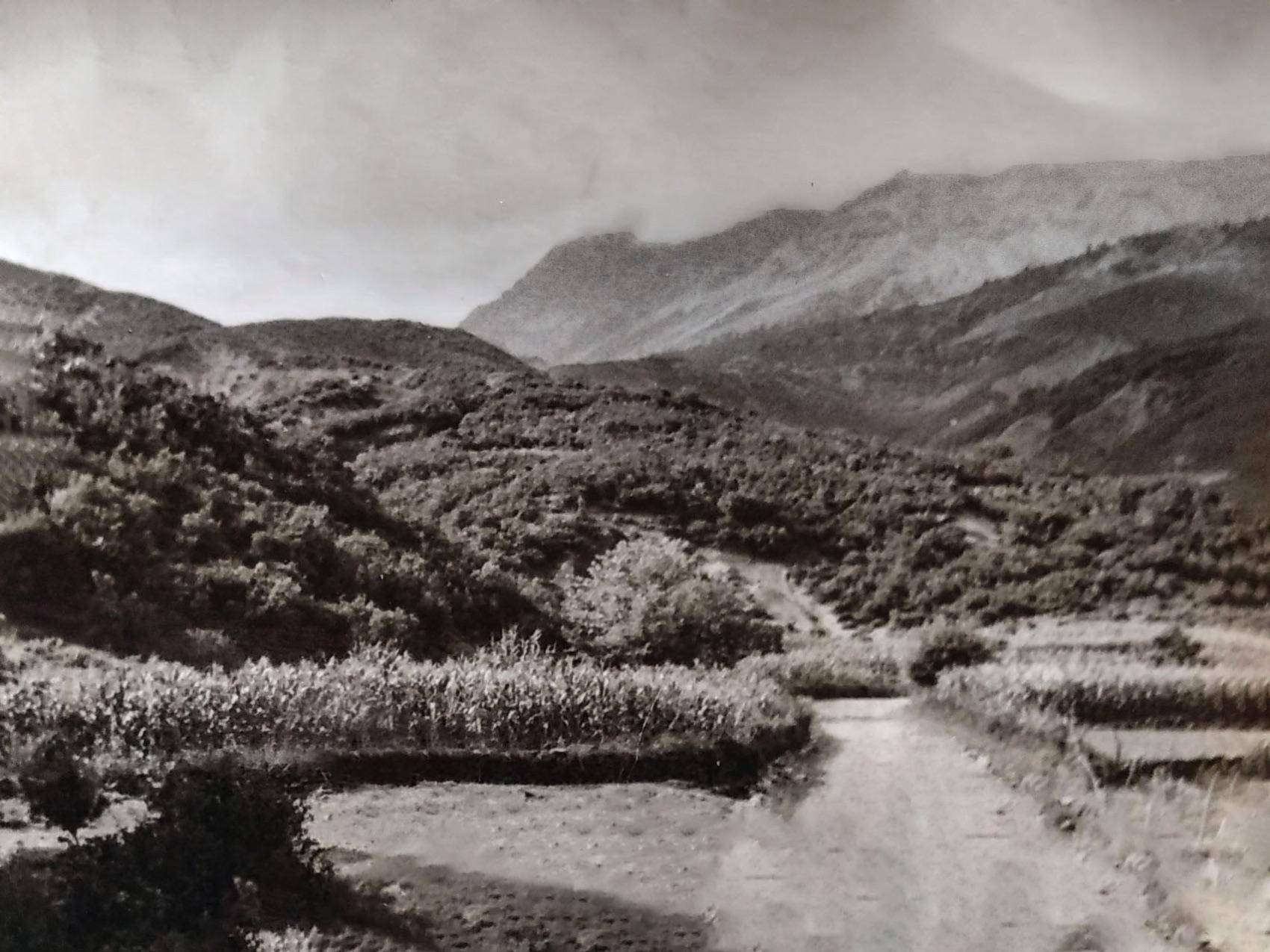
The old Arta-Trikala route passed directly in front of the family house. The land later became part of the family legacy, while the community record anchored the settlement in official documents.
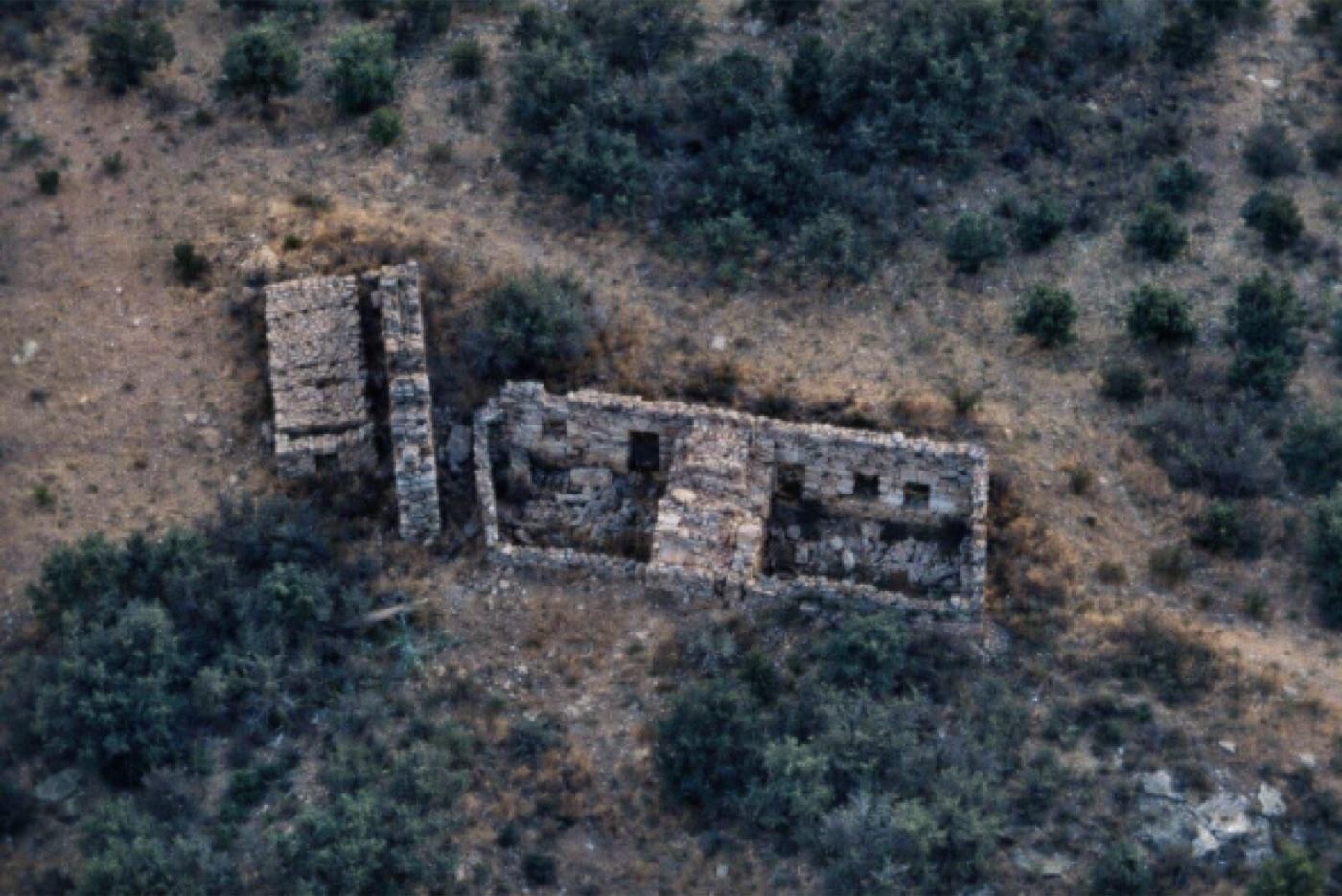
1943
During the Occupation, German troops burned village houses and storage areas after residents had already left. A remaining wall keeps that loss present in the landscape.
1953-1972
The family returned, rebuilt, farmed, kept animals and lived through a self-sufficient rural economy before later investment in more stable agricultural work.
Today
Olivestone keeps the story active through care for stone, water, routes and memory, so the place remains lived and legible.
Archive material
Official records, rebuilt-house details, community memory and the present Olivestone context connect civic record, family return and today's stewardship.

1940
The official record gives Palaiokatouno a documented civic layer within the wider Vourgareli context.
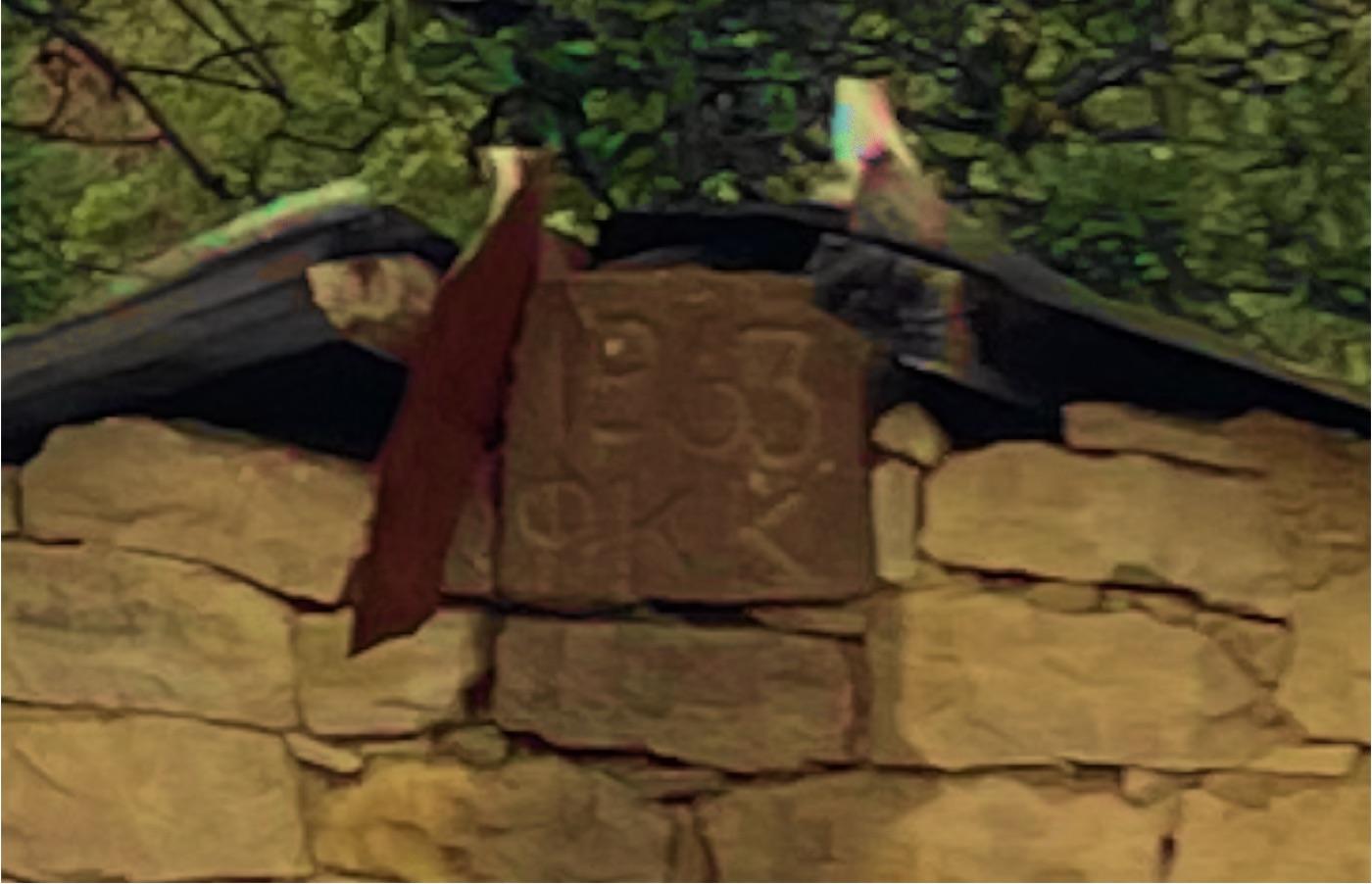
1953
A built detail marks the family's post-war return and the house where the next generation was raised.
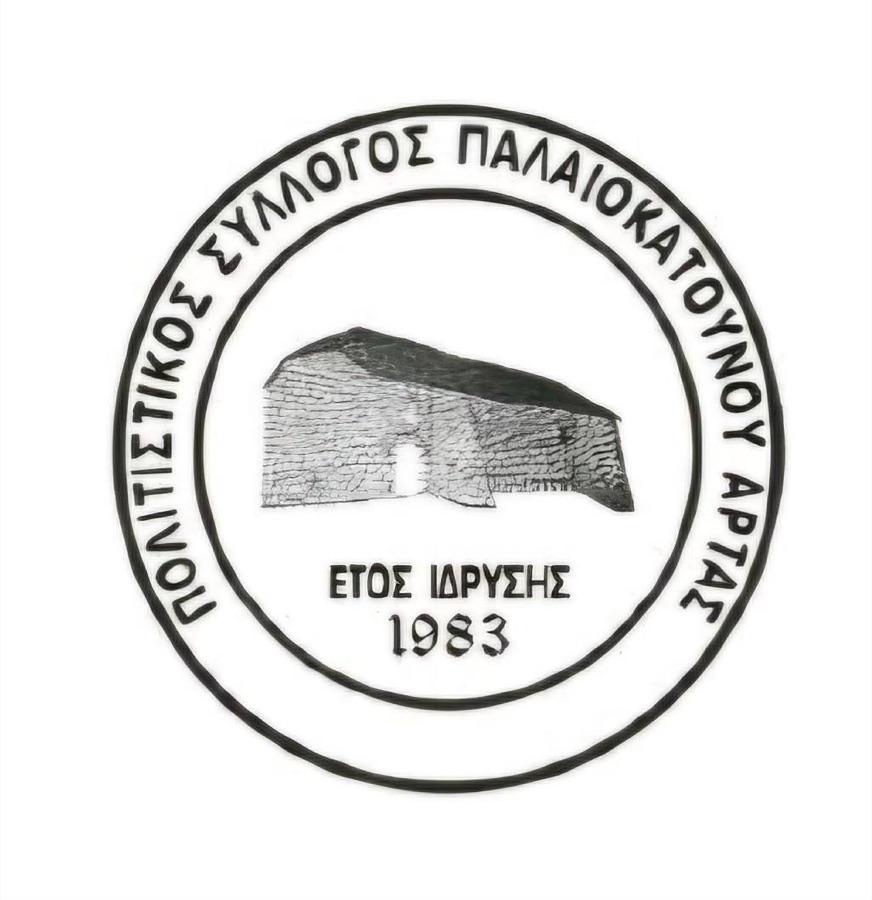
1983
The Palaiokatouno association mark keeps community identity visible beyond the family story.
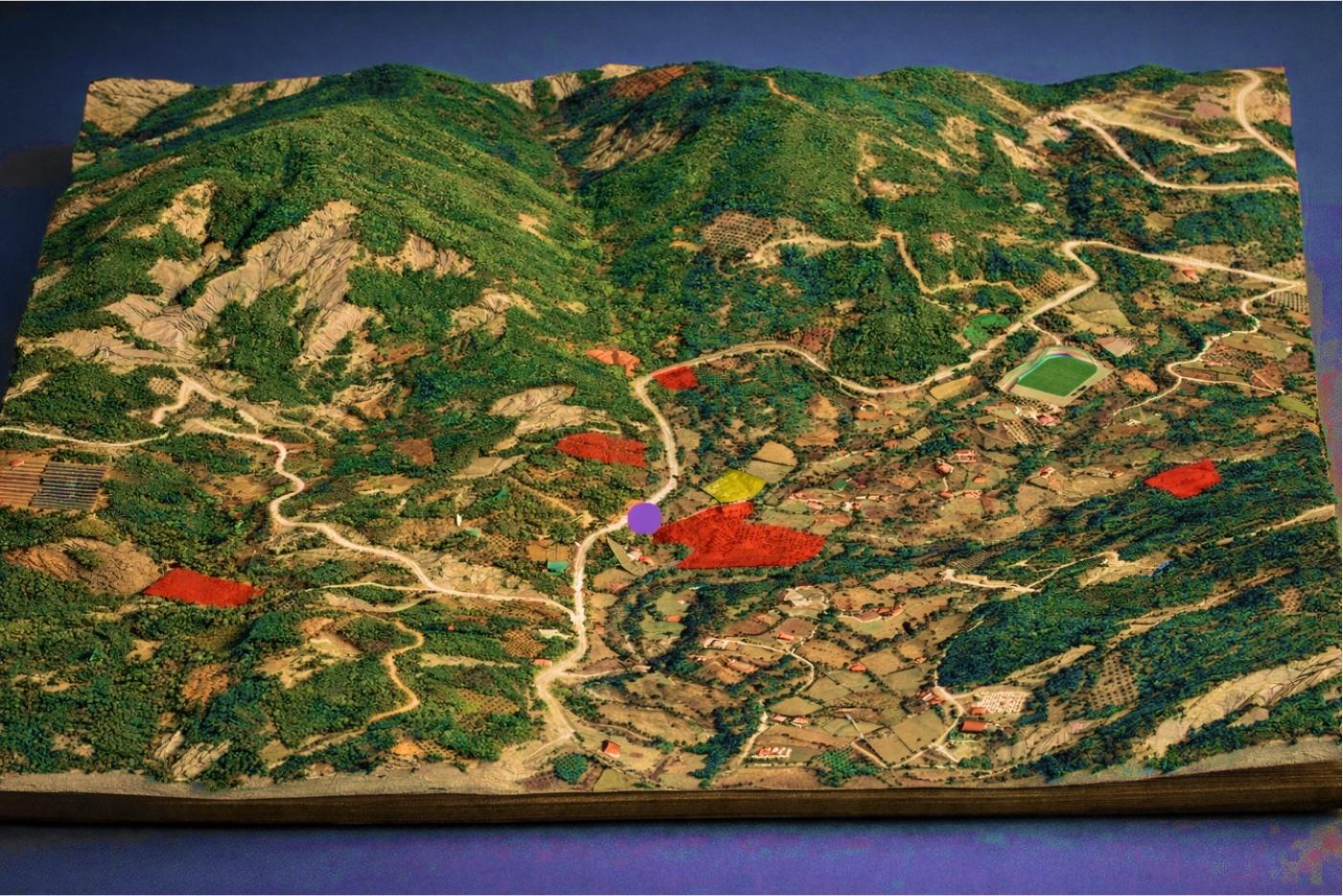
2023
The present Olivestone context connects the legacy with today's landscape, routes and Living Lab work.
Living Lab method
The Palaiokatouno legacy can support real decisions: where to maintain access, what to document seasonally, how to describe the place and how to keep memory connected to hospitality.
The old route, bridge and landscape edges orient the heritage work because they are still part of how the place is understood and cared for.
Vegetation, drainage, surfaces, erosion and safe access are part of the story because they decide whether the place remains legible.
Family continuity, rural work and local history can be shared with a careful, grounded tone.
Olivestone can hold this legacy through guided moments, field notes and visual material while keeping the stay calm and respectful.