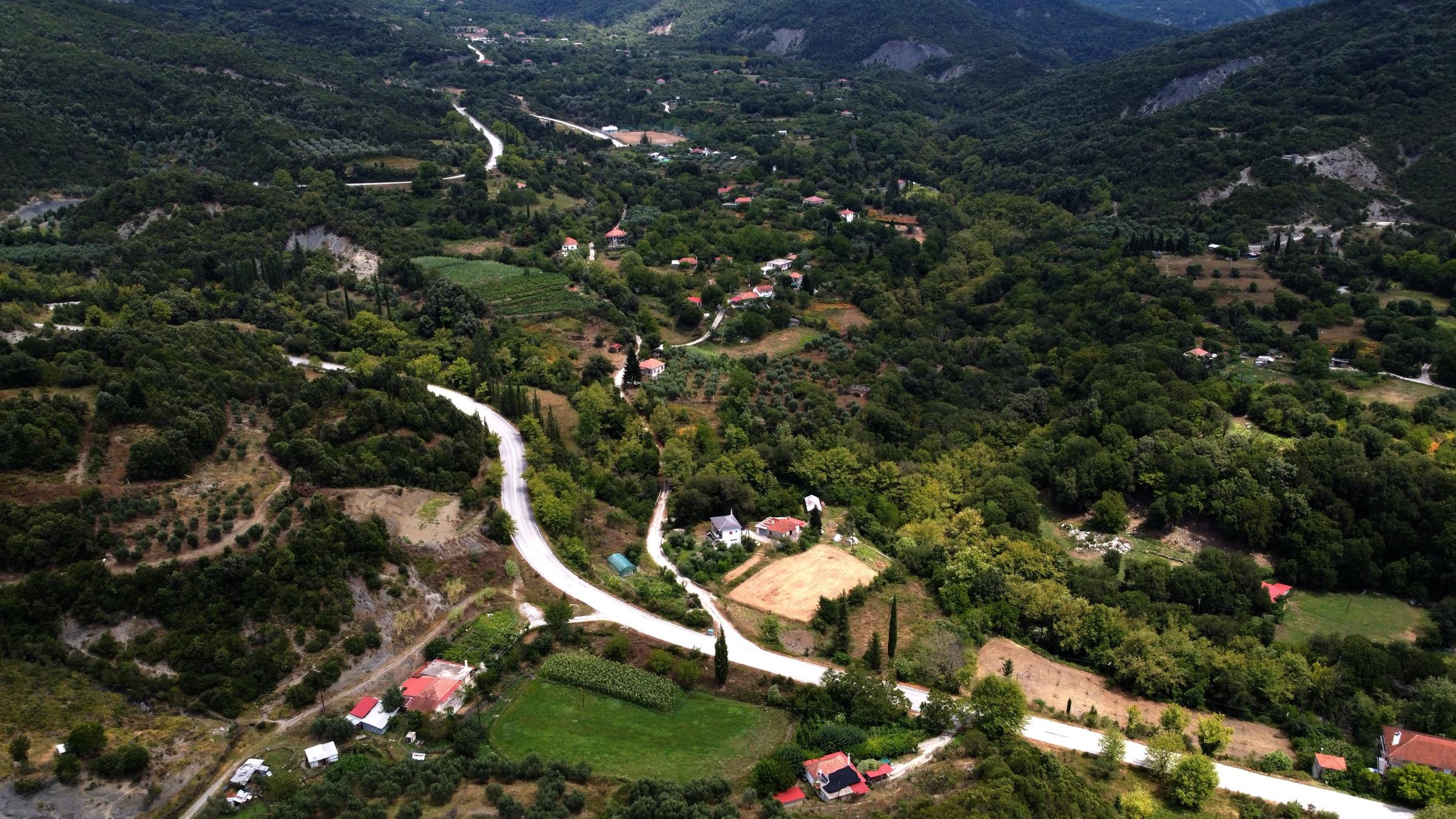
A real rural setting
The setting combines a small retreat, an olive grove, a bridge, a stream corridor, old outbuildings and the paths that move into the mountain.
Olivestone Living Lab
Olivestone Retreat works as a real rural setting where hospitality, landscape care, observation and visitor learning meet in everyday conditions.
What it means here
At Olivestone, the Living Lab is a careful way to notice what the place already asks for: repair, cultivation, safe access, heritage care, ecological observation and better visitor understanding.
A real rural setting
The setting combines a small retreat, an olive grove, a bridge, a stream corridor, old outbuildings and the paths that move into the mountain.
Hospitality stays first
Olivestone remains a place to stay. The Living Lab adds another layer: a calm way to connect atmosphere, stewardship, observation and learning.
Modest, practical and connected
Each lab can stand on its own, but the real value comes from how they inform one another across seasons, patterns of use and maintenance.
Palaiokatouno legacy
The site is rooted in Palaiokatouno, family land, old routes, rebuilding after loss, self-sufficiency and the recent decision to turn a quiet rural property into Olivestone Retreat.
190 BC
The wider area carries a much older mountain history, including the Athamanian acropolis at Tsouka.
1803
The name Palaiokatouno appears in documents associated with the era of Ali Pasha.
1890-1905
The old Arta-Trikala route passed directly in front of the house, and the land later became part of the family legacy.
1943
During the Occupation, German troops burned houses and storage buildings in the village after residents had already left.
1953-1972
After the war, the family returned, rebuilt, farmed, kept livestock and gradually invested in more stable rural work.
2022-now
The retreat idea emerged as a way to reconnect hospitality, family memory, landscape care and a slower future for the site.
7+1 architecture
Each lab can be understood on its own. The value comes from the connections between them: stone, olive trees, water, paths, forest, heritage and hospitality all informing one rural learning system.
Retreat core
Agritourism, the stone buildings and the olive grove all begin close to the retreat itself, where stay, hosting and cultivation already meet.
Stream corridor
The river and heritage labs sit where water, vegetation, old infrastructure and slower observation overlap.
Mountain edge
Walking paths and forest extend the system upward into terrain, access, regeneration and long-term resilience.
Shared backbone
Stewardship
The Living Lab begins with care for buildings, groves, paths, heritage and seasonal use. It is a way of working with the place, not an external layer added on top.
Observation
Simple monitoring, field notes, seasonal checks and repeat visits help the retreat understand what is changing and what needs attention.
Learning
Visitors and partners can encounter the landscape through calm interpretation, short stories, guided moments and practical explanation.
Transfer
When something proves useful, it can become a method, a note, a protocol or a small lesson that others may adapt in similar rural settings.
Connected labs
Field guide
The labs are distinct points of attention across the same retreat landscape: some close to the suites, some along water and heritage, some reaching into the mountain edge.
Lab 01
Rural hospitality linked to food, hosting rhythm and local partnerships.
On-site olive grove and surrounding rural landscape
This lab links the retreat to food, harvest rhythms, producer workshops and small rural offerings so hospitality feels lived and relational rather than abstract.
Why it matters
It keeps the visitor experience connected to the people, products and seasonal realities of the place.
Partnership-led
Explore lab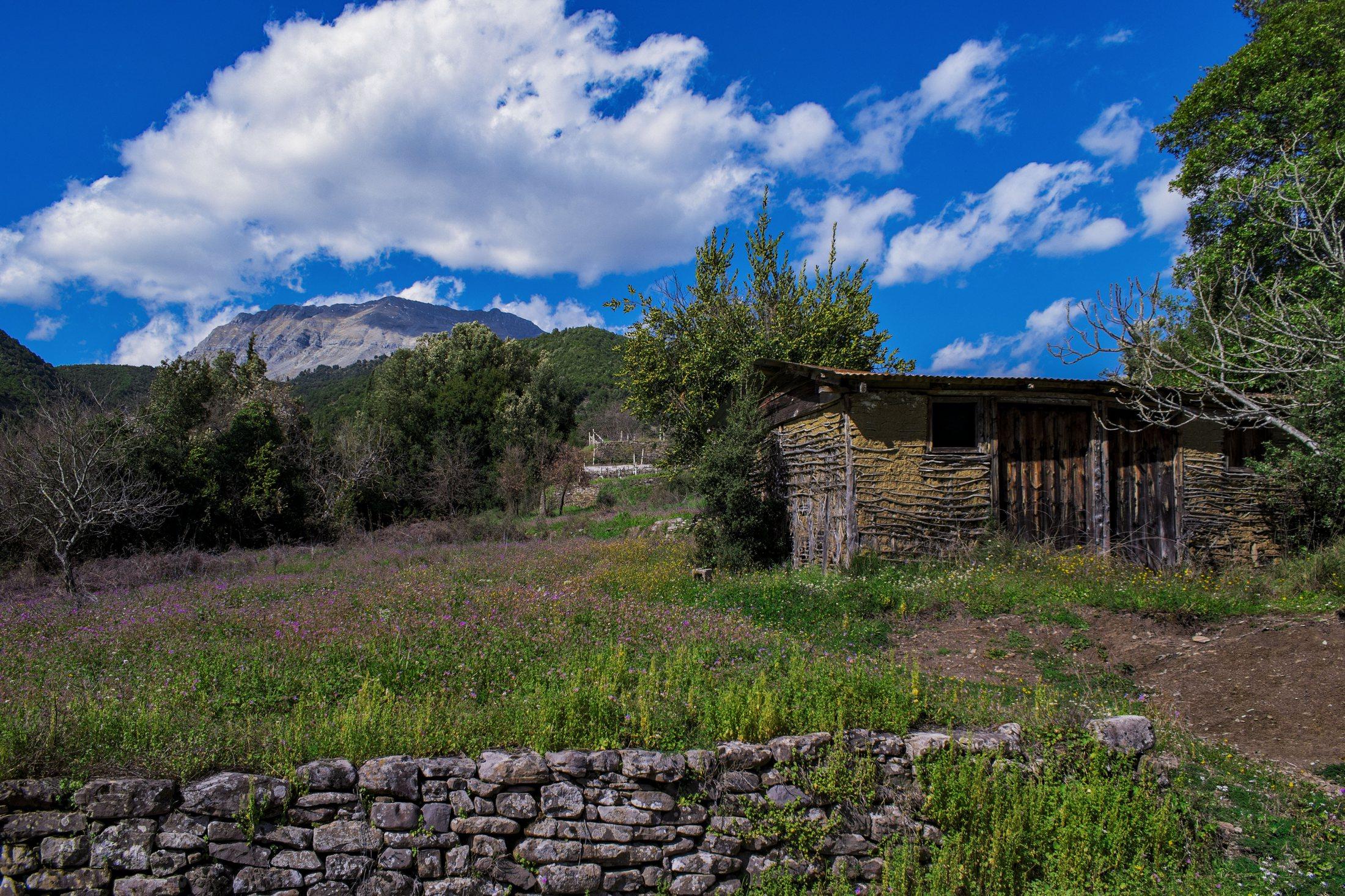
Lab 02
Old buildings become a small-retreat testbed for repair, comfort and storytelling.
On-site old outbuildings formerly used for warehousing
It focuses on retrofit, reuse, maintenance, indoor comfort and history-led interpretation so the buildings can teach as well as host.
Why it matters
It shows how rural hospitality can learn from existing buildings instead of replacing them.
Care and retrofit focused
Explore lab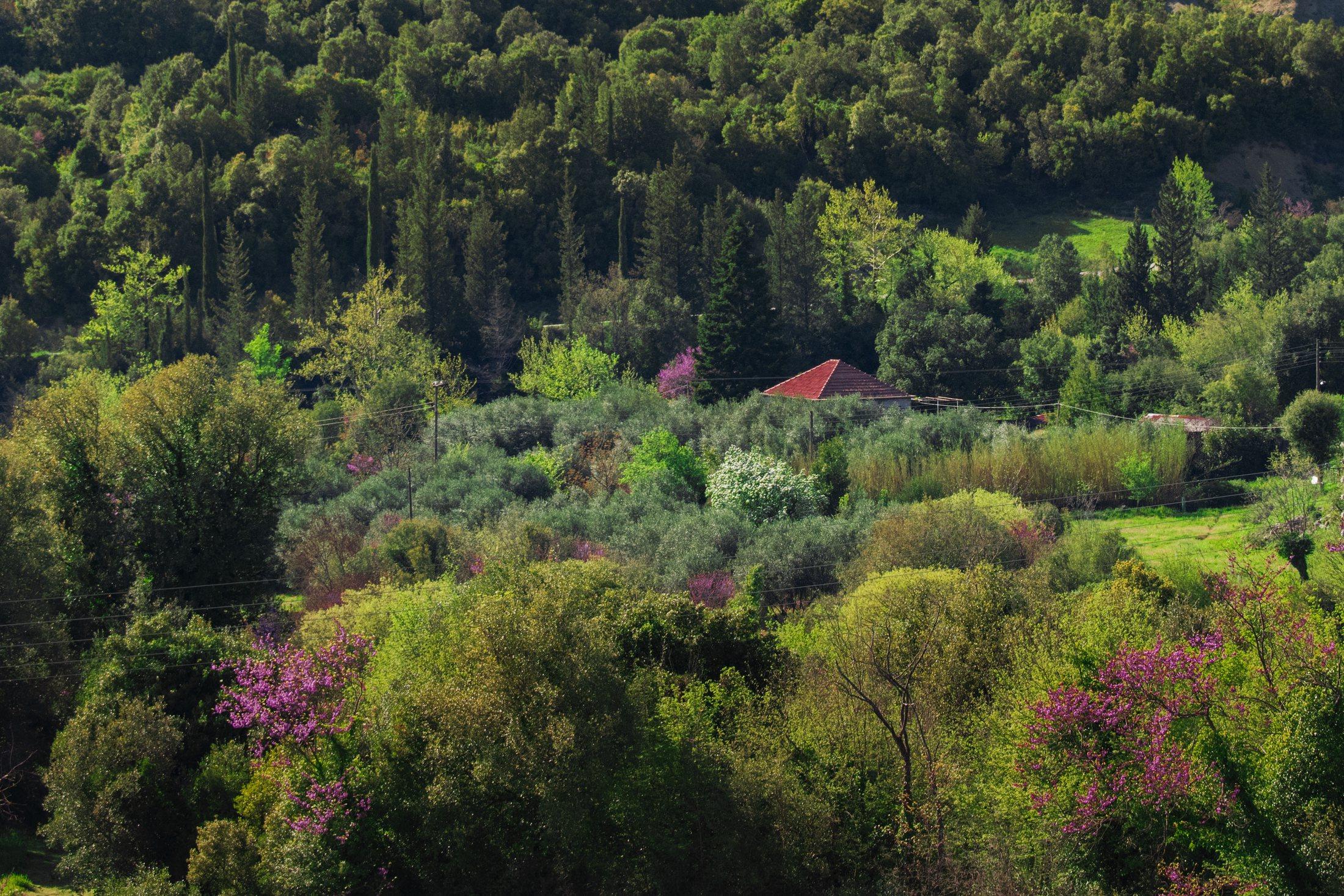
Lab 03
Precision cultivation and quiet agricultural learning within the grove itself.
The olive grove around the retreat
This lab connects cultivation, irrigation awareness, soil and weather monitoring, and visitor-facing learning about how the grove is actually cared for.
Why it matters
It keeps the olive landscape central to the identity of the retreat while opening a practical route into observation and care.
Observation-led
Explore lab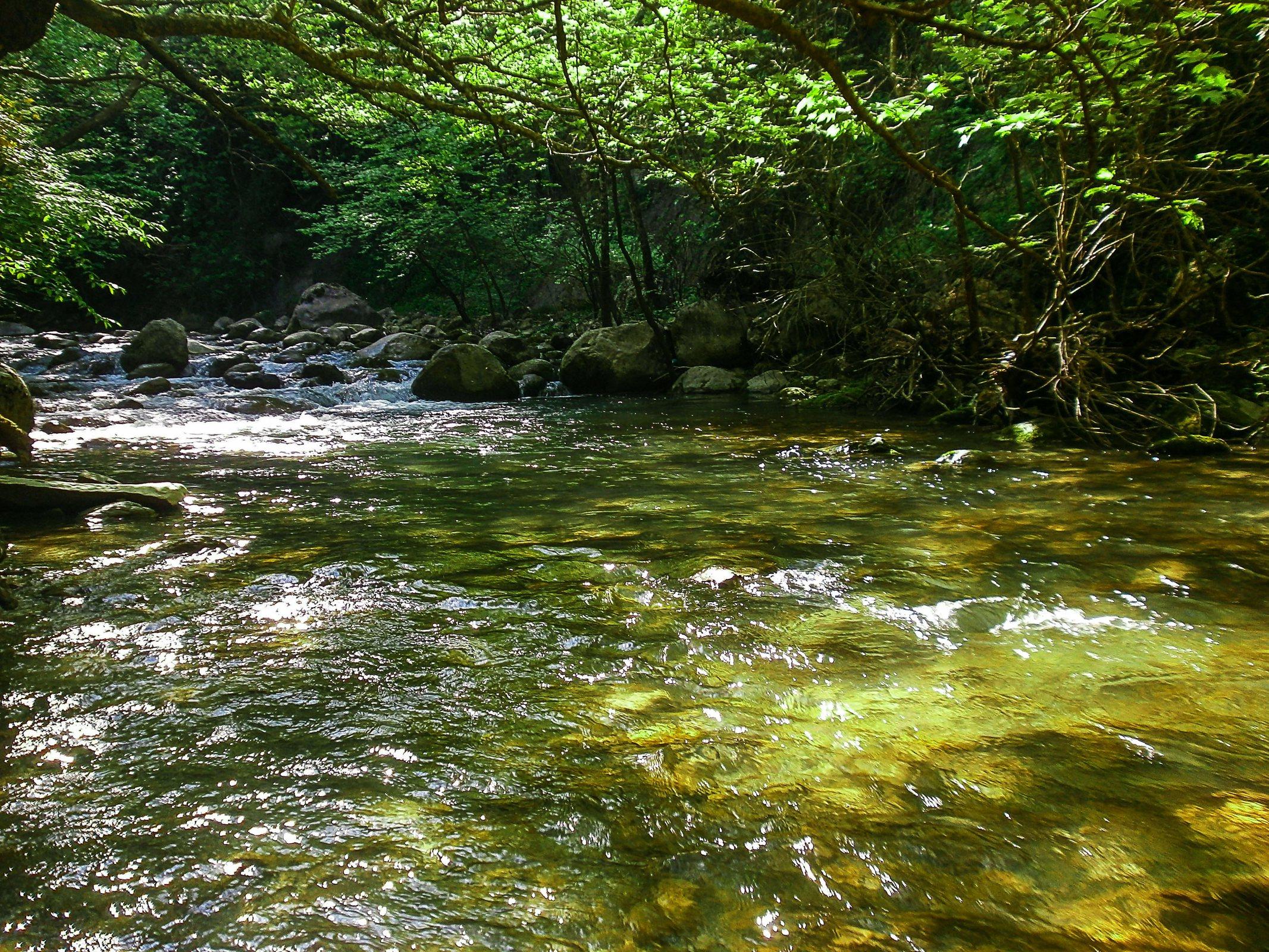
Lab 04
A quieter ecological layer shaped by water, habitat and slow attention.
On-site river corridor and riparian vegetation
This lab focuses on biodiversity, microclimate, habitat health and nature-based learning through simple field evidence and quiet interpretation.
Why it matters
It connects ecological awareness with the slower, restorative side of the retreat experience.
Observational and low-impact
Explore lab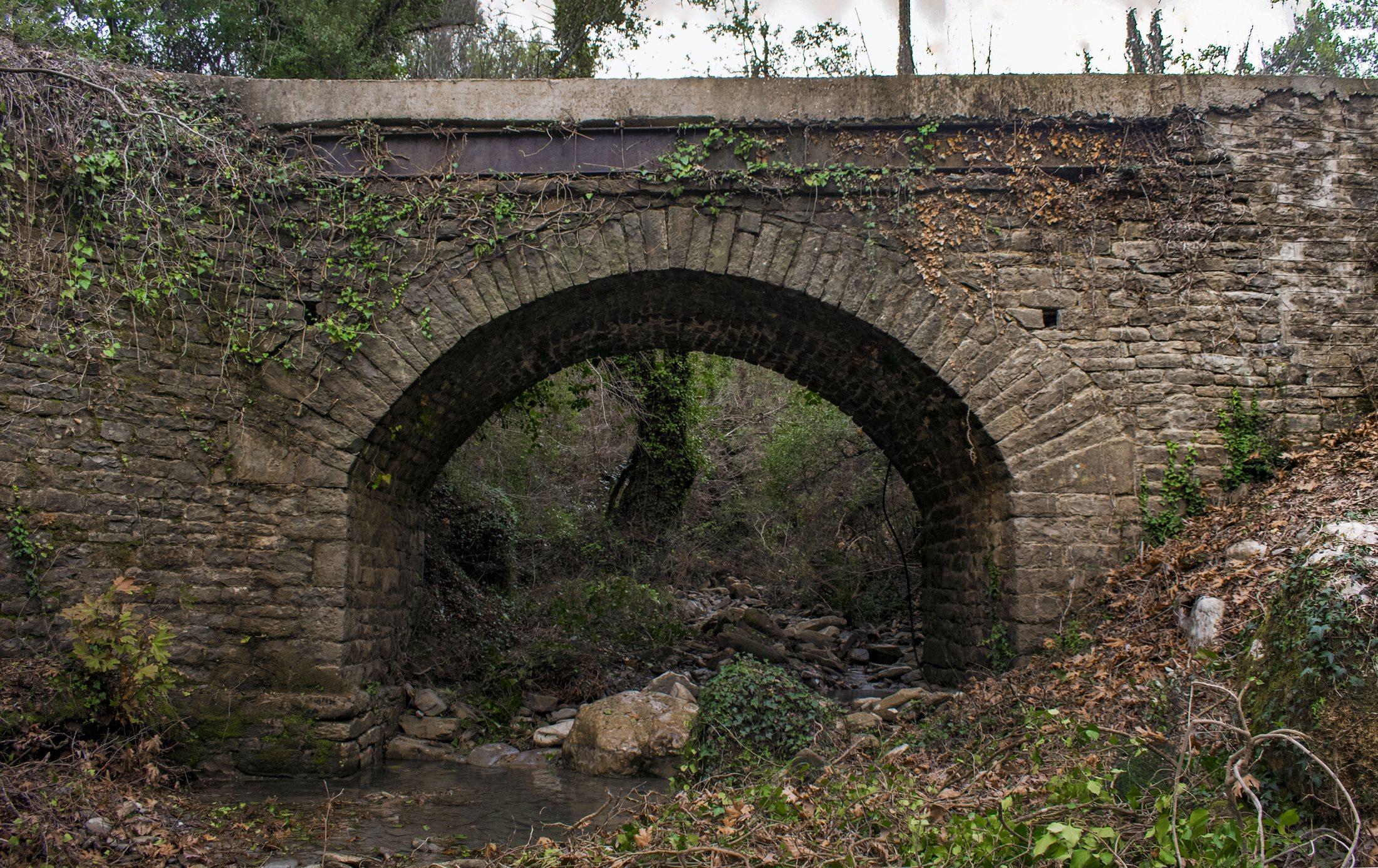
Lab 05
Old bridge condition, river pressure, corrosion risk and careful access in one heritage landscape.
Old stone bridge, river edge and historic stream corridor near the retreat
It connects heritage care, river conditions and local narrative so the past remains part of the living retreat landscape rather than a detached memory.
Why it matters
It makes heritage feel maintained, readable and connected to present-day use.
Care-led
Explore lab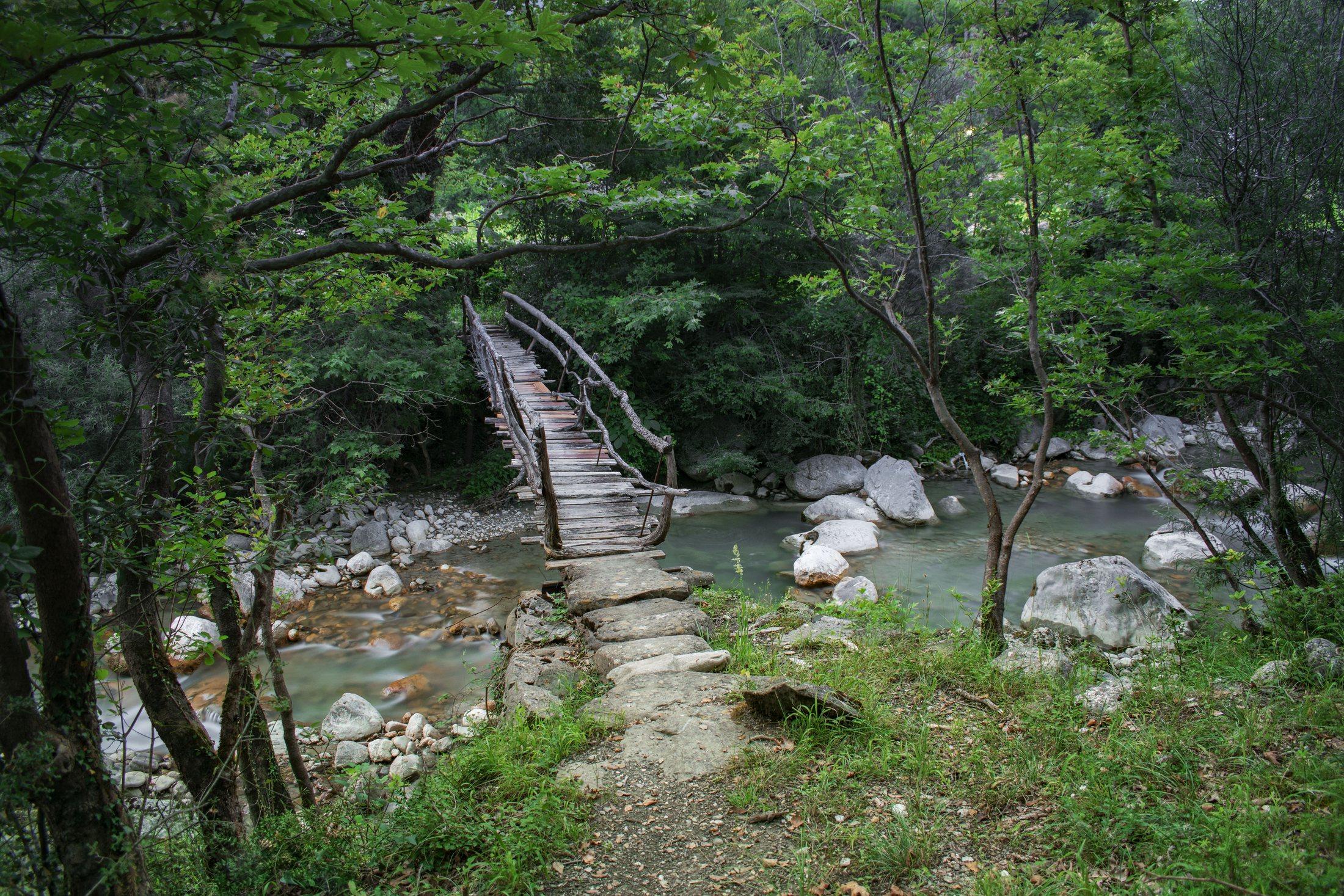
Lab 06
Walkability, seasonal risk and route understanding in rugged terrain.
Walking path from the river crossing toward the forest
It focuses on river crossings, route conditions, wayfinding, seasonal rules and careful visitor preparation in mountain terrain.
Why it matters
It connects walking pleasure with realistic communication about risk, terrain and weather.
Safety-aware
Explore lab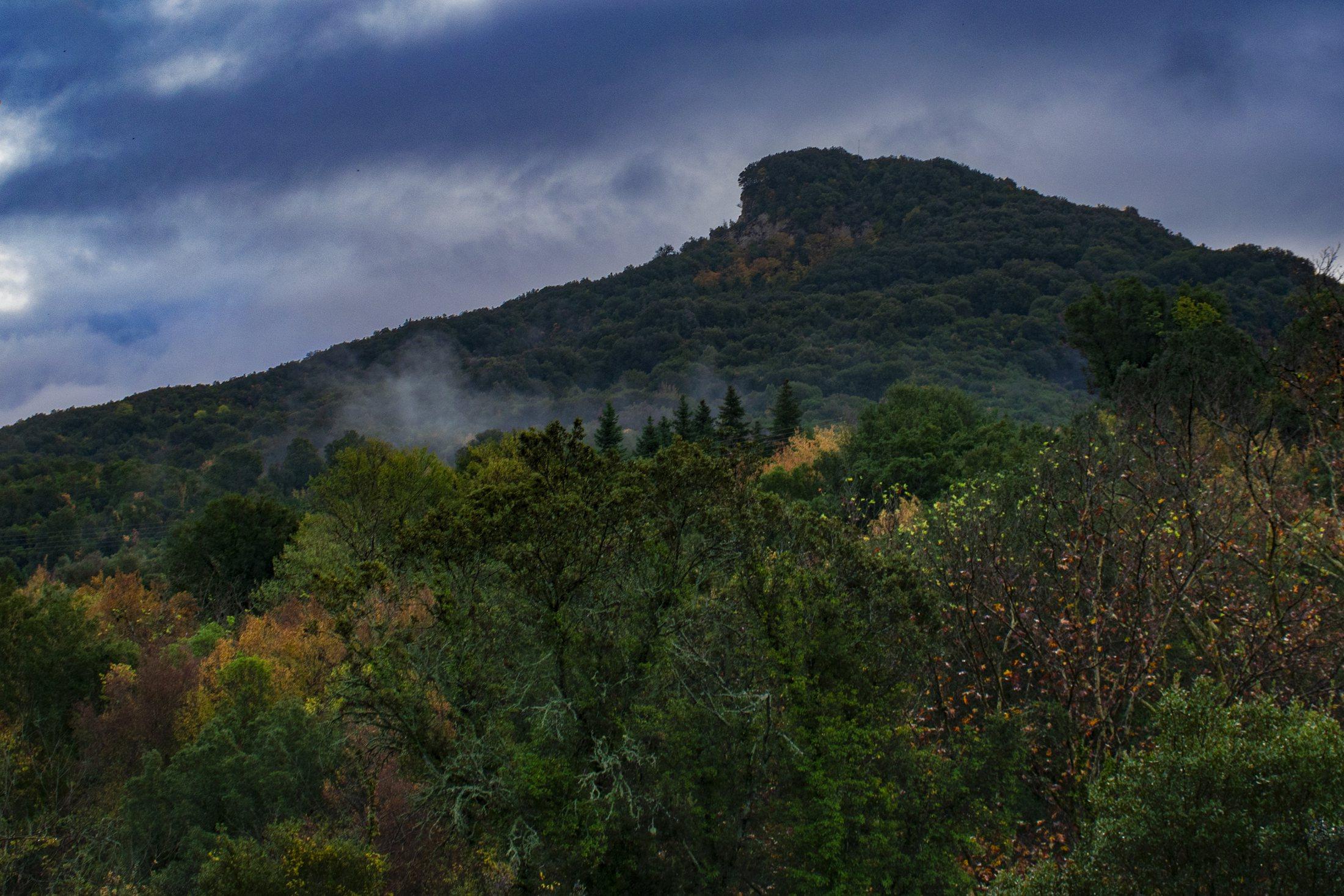
Lab 07
Forest health, regeneration and resilience on the mountain edge.
Forest above the retreat and along the mountain walking routes
It connects forest observation to walking, safety and long-term stewardship through repeat surveys, photo points and seasonal field records.
Why it matters
It brings the longest timescale into the system, linking resilience to the future of the site.
Observational and long-term
Explore labShared backbone
The backbone is the quiet operating layer. It keeps the work practical, grounded and repeatable without turning the retreat into a formal research campus.
Stewardship keeps hospitality, heritage and landscape care tied to the same place.
Observation turns day-to-day conditions into something that can be noticed, discussed and improved.
Learning helps guests, partners and residents understand what this landscape can teach in real conditions.
Transfer turns useful practice into materials that others can adapt at the scale of a small rural site.
Visitor learning
Place before theory
The Living Lab is explained through stone, olive trees, paths, water, weather and care rather than abstract research language.
Opt-in interpretation
Guests can engage through stories, field notes, guided prompts and site-specific explanation without turning the stay into a formal programme.
Real conditions
Everything is framed at the scale of the retreat: what can be learned from a working rural place, not from a polished demonstration project.
Next step
The Living Lab is best understood through specific places, practical questions and careful conversations.