Visitor learning
What a visitor can understand here
How repair culture can shape a more careful kind of hospitality
Why older buildings need both protection and adaptation
How comfort, heritage and low-impact retrofit can work together
Lab 02
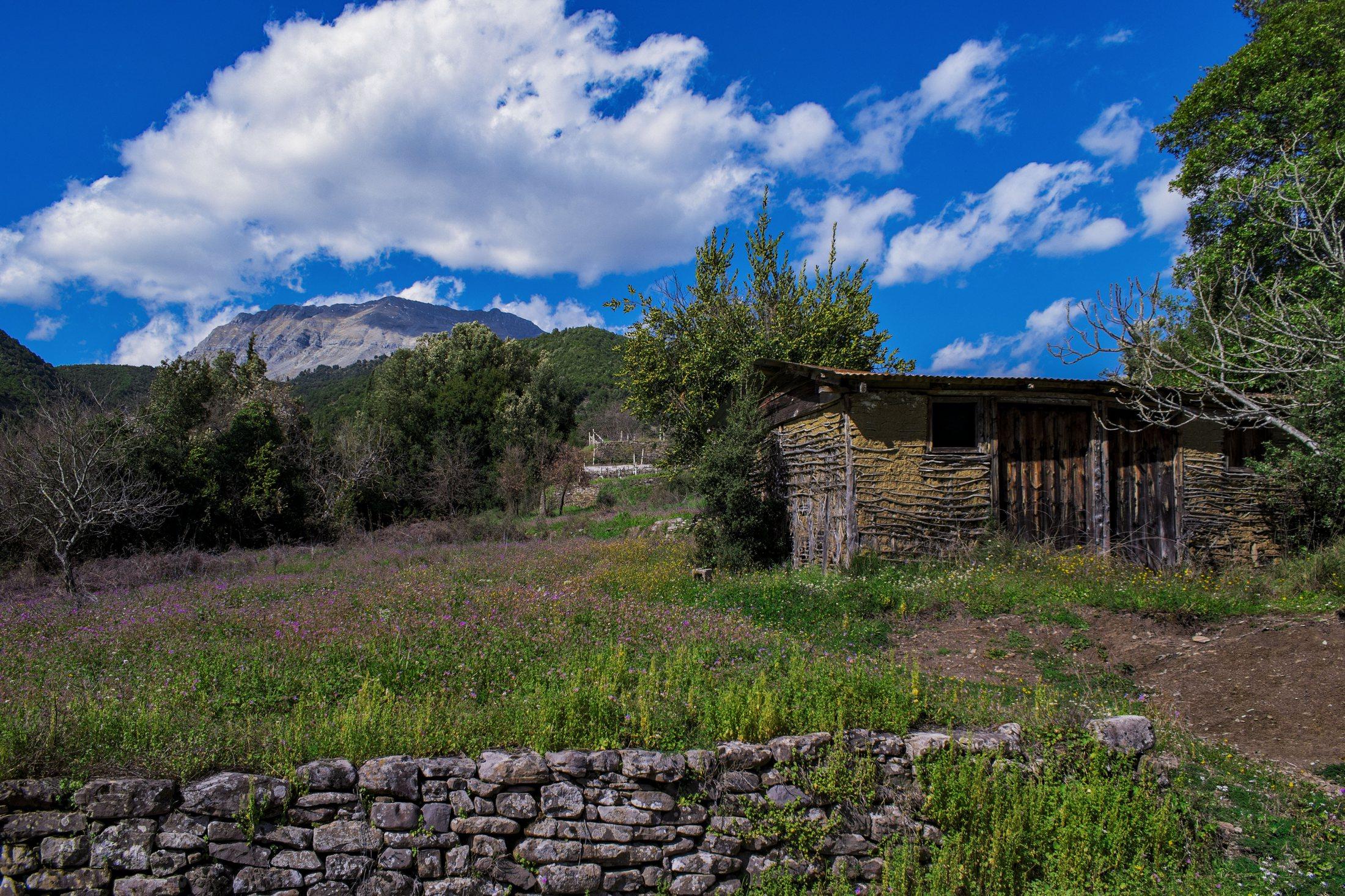
Old buildings become a small-retreat testbed for repair, comfort and storytelling.
This lab treats the existing outbuildings as part of the method, not just part of the scenery.
Read the architecture page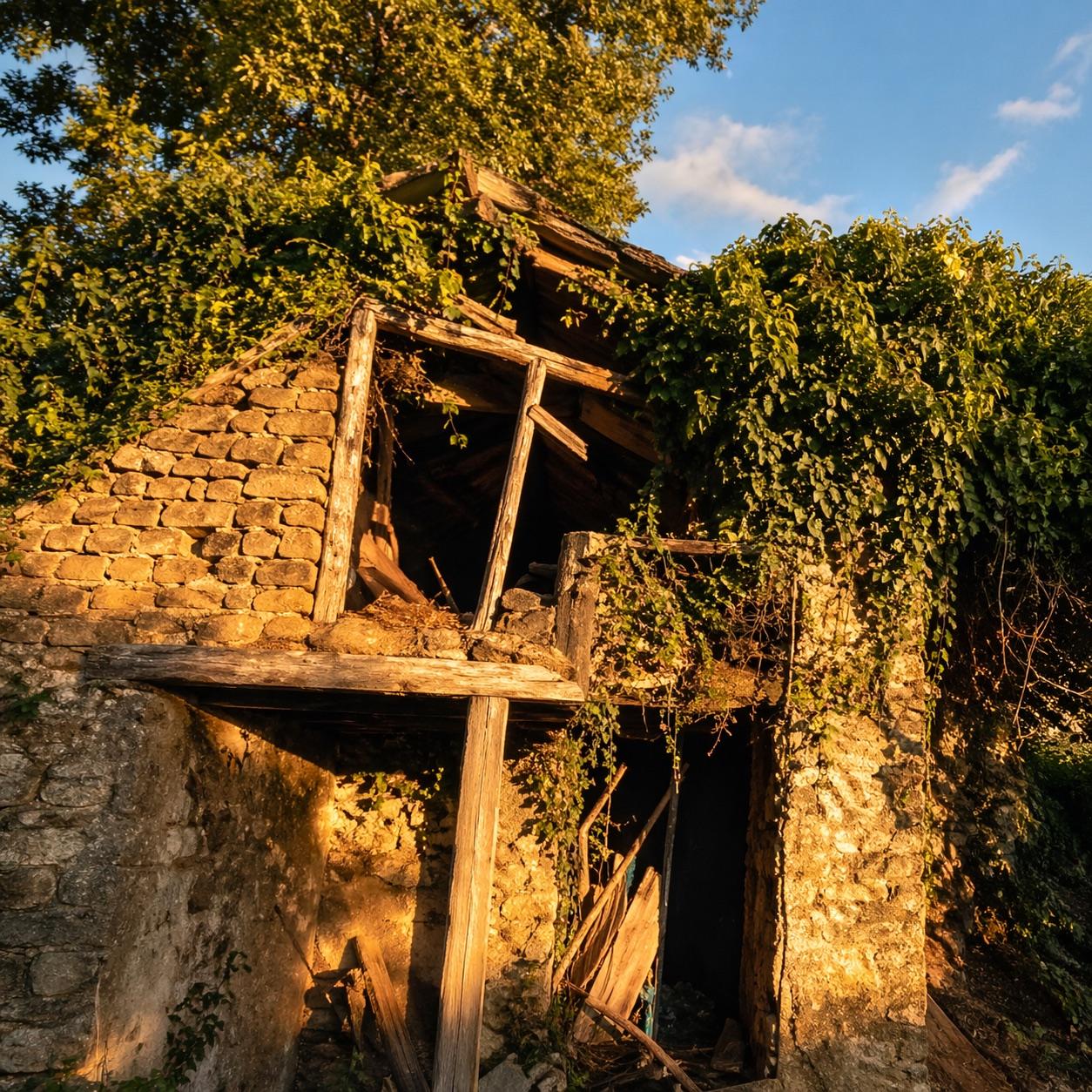
Material Stewardship
Stone buildings matter because they hold the longest memory on the site. They also pose the clearest practical questions: how to repair, how to reuse, how to improve comfort and how to interpret local history without turning the place into a museum set.
Lab focus
It focuses on retrofit, reuse, maintenance, indoor comfort and history-led interpretation so the buildings can teach as well as host.
Focus
Stone buildings are not treated as atmosphere alone. They are used to understand repair, comfort, reuse, maintenance and the long-term logic of low-impact hospitality.
How it works
Place-based, observational and grounded in realistic small-retreat stewardship.
Stewardship direction
Buildings as a field of decisions
Every intervention, repair cycle and comfort adjustment becomes part of how the retreat learns from its own architecture.
Reuse-first repair
Reuse-first renovation through salvage, repair and local sourcing
Comfort checks
Light monitoring for energy, indoor climate and maintenance needs
Interpretation
History-led interpretation through small narratives, displays and guided moments
Observational chart
A radar comparison of existing, lightly retrofitted and target conditions for old stone buildings.
Radar chart comparing existing, light retrofit and target condition across comfort, repair, reuse, energy, interpretation and maintenance.
Values are qualitative condition readings for discussion.
Future field input may come from comfort logs, maintenance notes and retrofit decisions.
Visitor learning
How repair culture can shape a more careful kind of hospitality
Why older buildings need both protection and adaptation
How comfort, heritage and low-impact retrofit can work together
Observation
Building behaviour across seasons and occupancy levels
Repair cycles, wear patterns and maintenance priorities
Practical outcomes from small retrofit decisions
Lab summary
Stone buildings matter because they hold the longest memory on the site. They also pose the clearest practical questions: how to repair, how to reuse, how to improve comfort and how to interpret local history without turning the place into a museum set.
Focused page