
Visitor learning
What a visitor can understand here
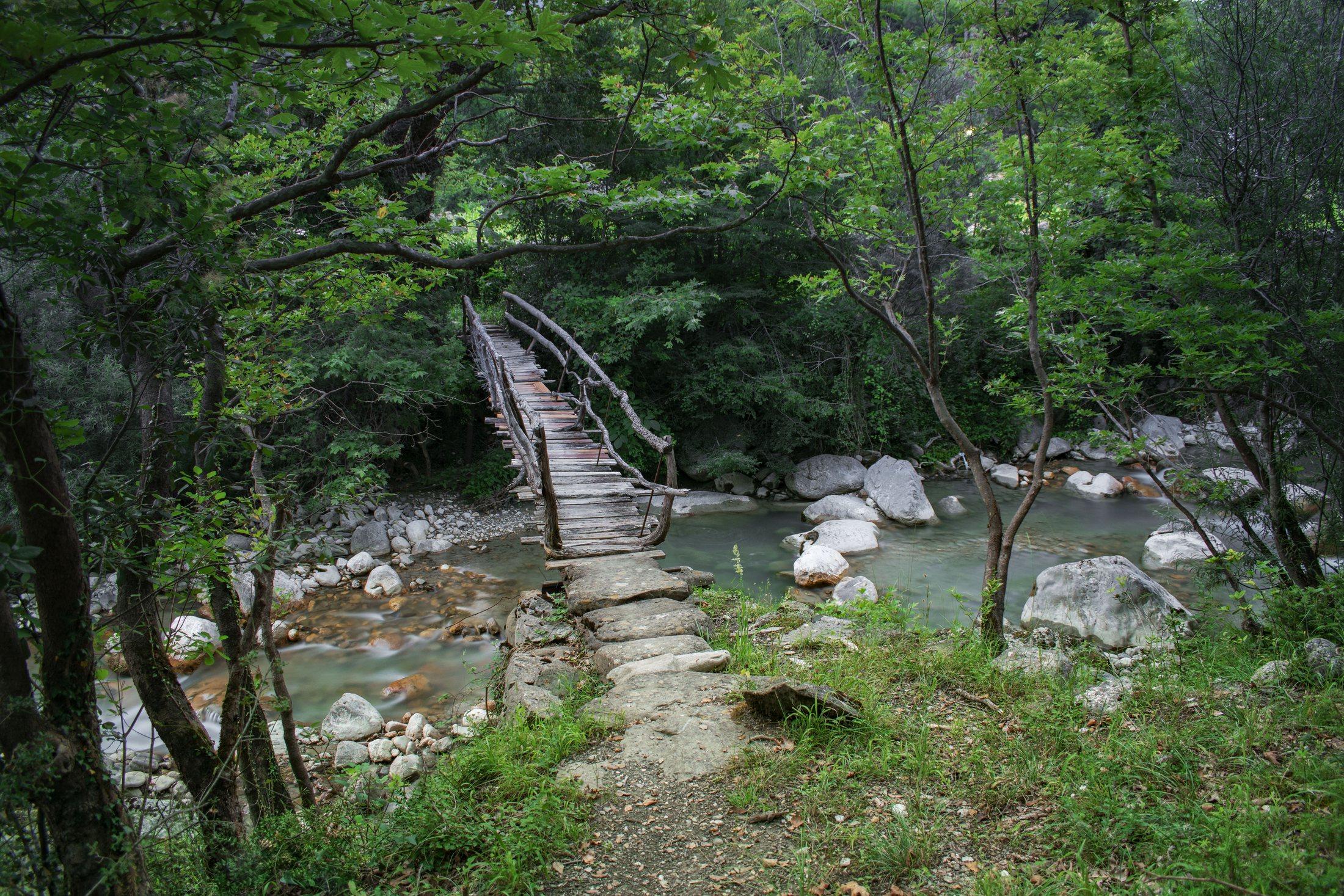
How route conditions shift with rain, season and river flow
Why preparedness is part of a better walking experience
How wayfinding and interpretation can work together

Lab 06
Walkability, seasonal risk and route understanding in rugged terrain.
This lab studies how people move through the landscape: where paths remain legible, where conditions change quickly and how safety can stay understated but clear.
Open the contact page
Route and Readiness
Walking paths matter because they shape the visitor's reading of the whole site. But access in rugged terrain also requires clarity. This lab helps the retreat explain crossings, rainfall, route changes and preparedness without turning the experience into alarm or bureaucracy.
Lab focus
It focuses on river crossings, route conditions, wayfinding, seasonal rules and careful visitor preparation in mountain terrain.
Focus
The walking paths lab focuses on movement through terrain: wayfinding, preparedness, seasonal shifts and the practical ethics of encouraging people into mountain landscapes.
How it works
Place-based, observational and grounded in realistic small-retreat stewardship.
Stewardship direction
A route-based experience of place
This lab helps translate rugged terrain into clear and respectful guest understanding without flattening the reality of the mountain.
Seasonal route rules
Seasonal rules, warnings and alternative routes after rainfall
Walking prompts
Micro-stops, views and guided or self-guided learning prompts along the path
Preparedness logic
Preparedness scenarios with sectors, rendezvous points and simple response logic
Observational chart
A route profile with elevation and seasonal condition overlays for responsible walking.
Route profile showing elevation and toggleable route conditions for the Walking Paths Lab.
Retreat start / Dry route
Elevation 420m. Condition signal: 18. This is an interpretive route prompt, not a live safety notice.
Risk overlays indicate the type of route condition that could be communicated.
Future use may combine route checks, rainfall notes and simple wayfinding updates.
Visitor learning
How route conditions shift with rain, season and river flow
Why preparedness is part of a better walking experience
How wayfinding and interpretation can work together
Observation
Crossing stability, slipperiness and entry-exit conditions
Route clarity, visitor flow and seasonal risk signals
Basic preparedness notes for the surrounding terrain
Lab summary
Walking paths matter because they shape the visitor's reading of the whole site. But access in rugged terrain also requires clarity. This lab helps the retreat explain crossings, rainfall, route changes and preparedness without turning the experience into alarm or bureaucracy.
Focused page