
Visitor learning
What a visitor can understand here
How microclimate and habitat shape the wider feel of a place
Why biodiversity is often noticed through small signals rather than big events
How well-being can grow from attentive time near water

Lab 04
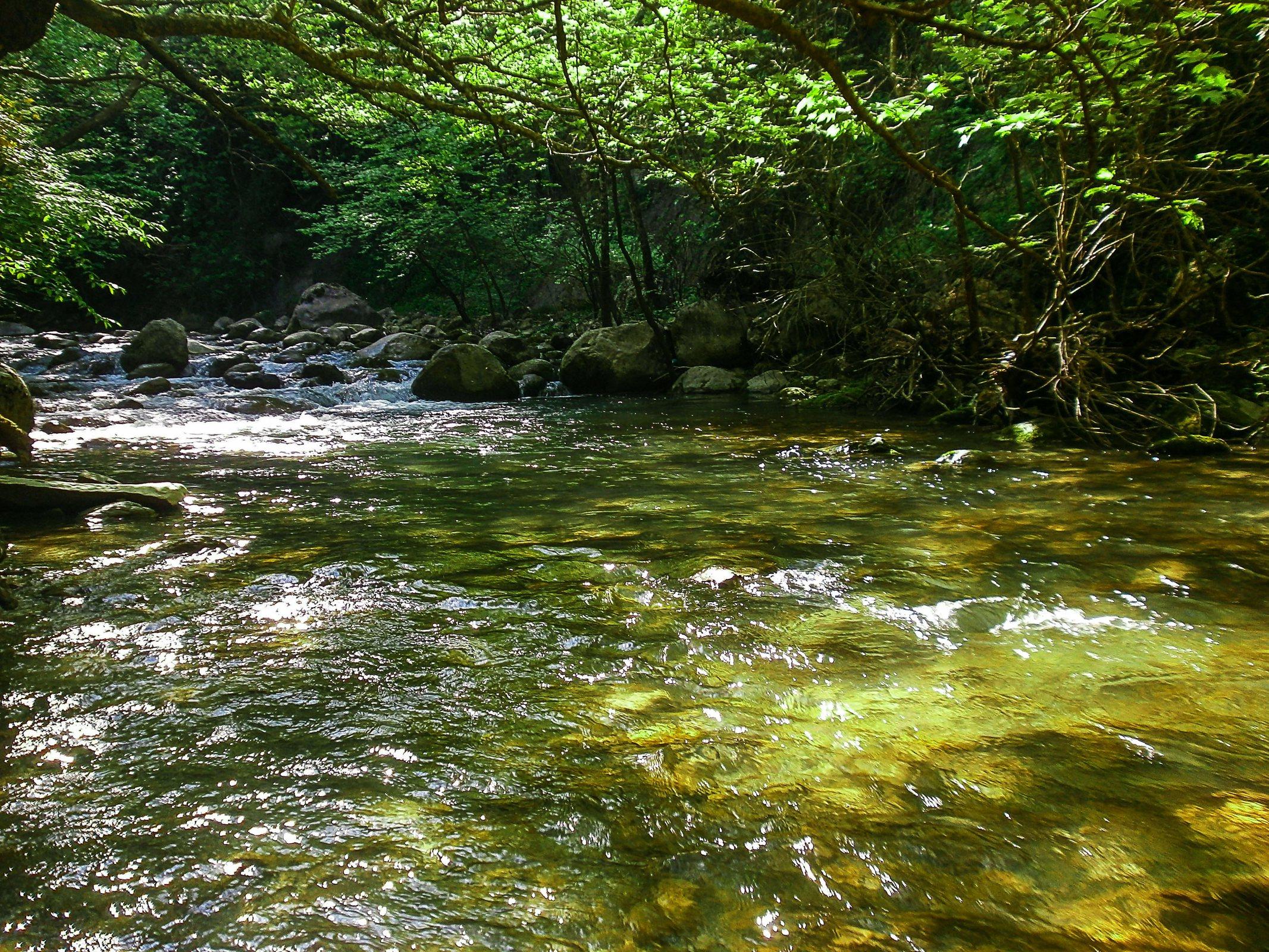
A quieter ecological layer shaped by water, habitat and slow attention.
The river corridor becomes a place for low-impact observation, seasonal ecosystem notes and a more attentive visitor experience.
See connected labs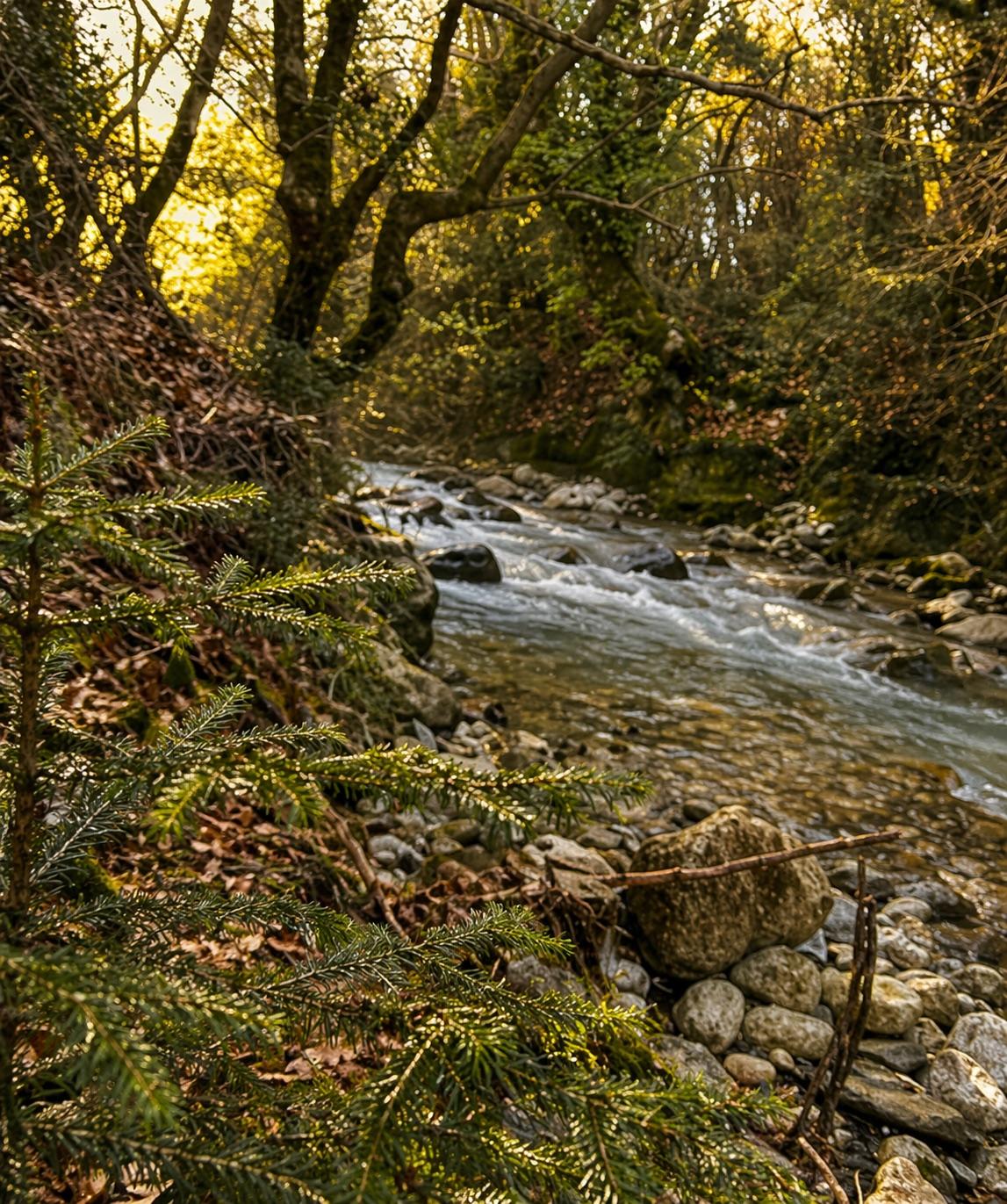
Water and Habitat
The river matters because it changes the feel of the site. It shapes humidity, sound, vegetation and the pace of movement through the landscape. That makes it a natural place to study both ecological signals and visitor awareness at the same time.
Lab focus
This lab focuses on biodiversity, microclimate, habitat health and nature-based learning through simple field evidence and quiet interpretation.
Focus
The river corridor lab focuses on subtle conditions: habitat, microclimate, biodiversity signals and the calmer kinds of observation that often matter most over time.
How it works
Place-based, observational and grounded in realistic small-retreat stewardship.
Stewardship direction
A subtle edge of the landscape
This lab asks guests and collaborators to pay attention to atmosphere, habitat and seasonal change without turning ecology into spectacle.
Microclimate notes
Light sensing for temperature, humidity, rainfall and basic water observations
Biodiversity checks
Simple biodiversity protocols using sightings, photo points and habitat notes
Quiet observation
Quiet nature moments such as guided observation and low-impact walking prompts
Observational chart
A horizontal field transect for quiet observation points along water, shade and habitat edges.
Horizontal transect showing river observation points and filterable layers for habitat, microclimate and visitor calm.
Microclimate / Upper shade
Cooler air and shade can shape how visitors experience the corridor.
Observation points show where a simple field note could be attached.
Future field records may include species sightings, photo points and basic microclimate readings.
Visitor learning
How microclimate and habitat shape the wider feel of a place
Why biodiversity is often noticed through small signals rather than big events
How well-being can grow from attentive time near water
Observation
Temperature, humidity, rainfall and basic water observations
Bird, insect and riparian vegetation notes
Signs of seasonal ecosystem change along the corridor
Lab summary
The river matters because it changes the feel of the site. It shapes humidity, sound, vegetation and the pace of movement through the landscape. That makes it a natural place to study both ecological signals and visitor awareness at the same time.
Focused page