
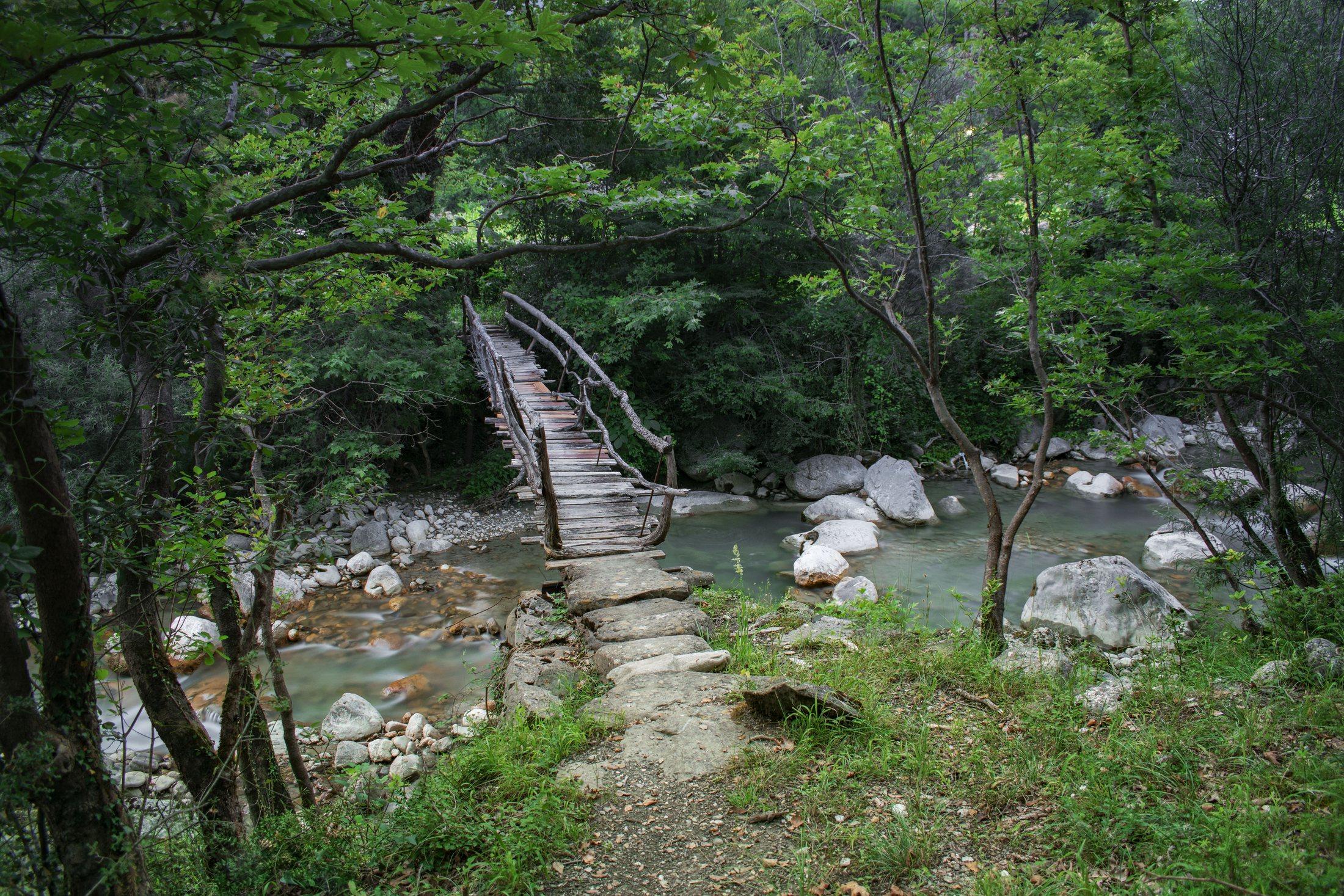
Protocols
Simple ways of checking paths, grove conditions, building performance or habitat change without overcomplicating the work.
Learning & data
The Living Lab uses data and observation as tools for stewardship. The purpose is to support better care, clearer interpretation and more informed decisions over time, not to produce the appearance of scientific certainty before the work exists.
Internal Layer
A knowledge-rich extension of the retreat.
The Living Lab section stays within the calm visual language of Olivestone Retreat, but opens a more reflective world of stewardship, learning and place-based observation.
How this layer works
Some materials may become openly shareable in aggregated or interpretive form: environmental readings, seasonal notes, route conditions, observational logs or place-based learning prompts. Personal guest information remains protected and is not part of the public-facing Living Lab layer.
Data boundary
Environmental and place-based material may be shared in curated form. Personal data, guest identity and private communications stay outside the Living Lab knowledge layer.
Data stewardship
Simple ways of checking paths, grove conditions, building performance or habitat change without overcomplicating the work.
Short records of harvest periods, rainfall, visitor movement, maintenance cycles and quieter months in the landscape.
Photo points, habitat notes, route checks and small practical records that help the retreat notice what changes over time.
Selected public-facing materials that can explain the site, the methods and the practical questions behind the Living Lab.
Visitor-friendly stories and prompts that help turn evidence into understanding without making the experience feel academic.
Guest identity, private communication and booking data remain outside the public Living Lab layer.
Operating principle
The Living Lab begins with care for buildings, groves, paths, heritage and seasonal use. It is a way of working with the place, not an external layer added on top.
Operating principle
Simple monitoring, field notes, seasonal checks and repeat visits help the retreat understand what is changing and what needs attention.
Operating principle
Visitors and partners can encounter the landscape through calm interpretation, short stories, guided moments and practical explanation.
Operating principle
When something proves useful, it can become a method, a note, a protocol or a small lesson that others may adapt in similar rural settings.